
Via Francigena – Stage 3 Lucca to Rome
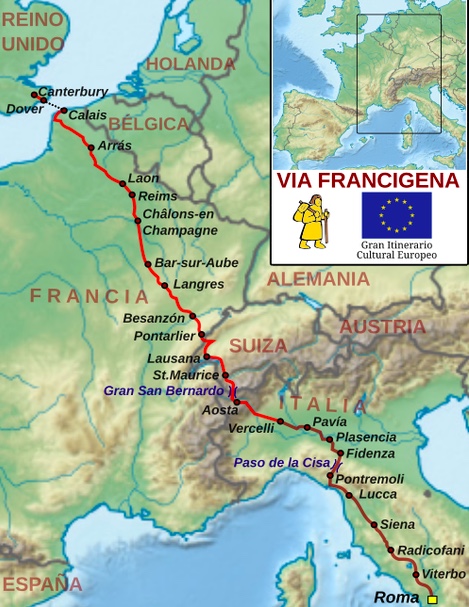
| The Via Francegina is an ancient pilgrimage beginning in Canterbury, England that traverses five countries: England, France, Switzerland, Italy and finally terminating in Vatican City – a distance of almost 3200 kilometres.
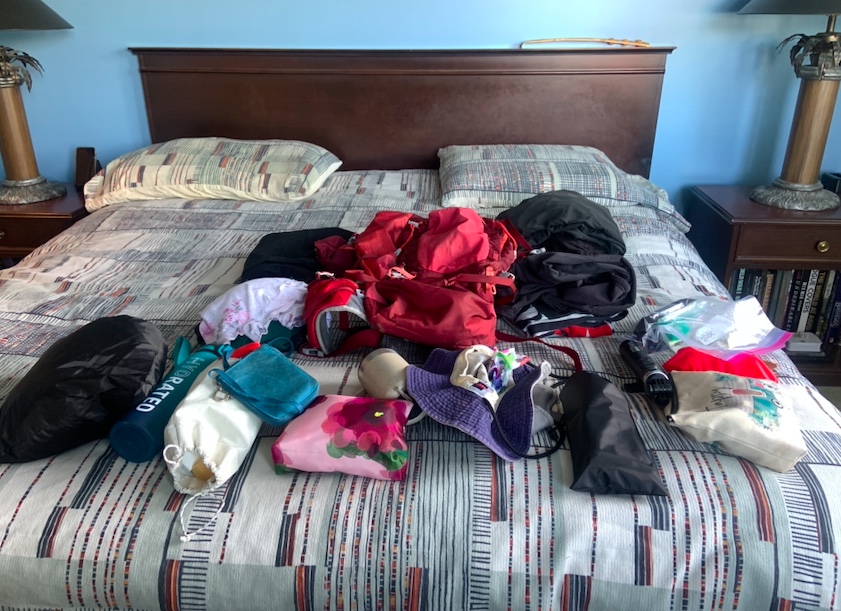
I walked solo, took every variant and covered a distance of 450 k on foot, over 22 days (with one rest day). History of the Via FrancigenaThe first records of this route are recorded over 1000 years ago. As far back as the 8th century there are indications that this was a major route for military, religious and trade for those returning from visiting the tombs of apostles Peter and Paul. In 990 AD the Archbishop of Canterbury documented this route upon his return from Rome. The Modern Via FranceginaIn 1994 the Via Francegina was certified as a Cultural Route of the Council of Europe, joining the Camino de Santiago, which was the first route with this designation. Today there are 52 trails in this group. Like the Camino de Santiago, pilgrims on the route carry a credential and collect stamps as proof of passage along the way. On arrival in Rome, if you have walked at least 100 k (200 k for cyclists) you may collect a testimonium. An estimation of 50,000 people travel this trail each year, with almost 90% of those on foot. The remaining travelers cycle the route. There are dual routes and signage for those on bikes. Planning AheadCredentialThe most important document you will need is the credential. You can purchase it ahead of time on the official VF website https://www.viefrancigene.org/en/credentials. As I was starting my hike in Lucca, I purchased mine at the Cathedral Museum there. Even if you have no interest in earning the testimonial in Rome, pick up the credential anyway. You cannot stay in most pilgrim accommodations without one. Collecting the stamps is a wonderful way to relive your journey as well. What to Pack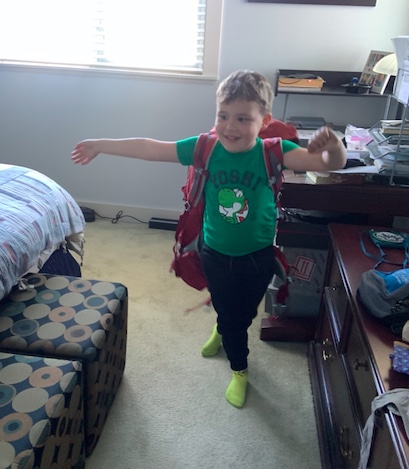 You can pack whatever you want and hire a service to transport your luggage, but that isn’t the kind of trip this blog is exploring. Spend a lot of time at home on packing. Every kilogram counts when it’s on your back all day. Anything you forgot to pack can most likely be purchased along the way, but items you didn’t need but can’t discard become regrettable burdens quickly. Here’s a tip – check to see if your 5 year old grandson can carry the pack.
A poncho is a better decision than a rain jacket paired with a pack cover because it’s lighter and can cover everything at once. Hiking poles – obviously. Mine are cheap and retractable so they fit in my carry-on but I won’t cry (too hard) if I lose them at an airport. So far I never have. You will wash your socks and underwear every night so bring fast drying items as much as possible. Make sure you like whatever t-shirt you bring. You’ll wear it every day. Avoid blisters at all costs, they can ruin your zen quickly. I wore a proven combination of double-knit socks with Hoka trail shoes. Every morning I smeared my feet with vaseline. Every stop I took my shoes off and sometimes even the socks. On hot days the socks got changed halfway through the day. Bring one extra pair of socks than you think you will need. Something to sleep in communally could sub as your long pants on a cool day. I carried leggings and a t-shirt as pajamas. An extra battery pack for your cell phone should be considered essential on this hike. You will be using your phone for so much; navigation, communication, bookings and if you’re alone just a little company at times. I am a coffee fiend. Instant coffee pouches are great for those mornings where none is available. This is less of a problem in Italy than it was in Spain. I have yet to find an app that adequately replaces my Cicerone guidebook. Many pilgrims rip out the pages as you travel to save weight. I have never been able to do that. 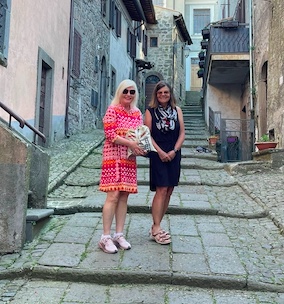 A light-weight Tilley travel dress and scarf is not just a luxury item. It is feather-light, pretty and allowed me to wash my trail clothes every day and have an alternate outfit. I also carried Keens sandals – heavier than some alternatives but could have become my trail shoes if blisters became a thing. Like it or not pack a light sleeping bag and a towel. Some of the best accommodations insist you have these two items. Blankets were available everywhere I stayed so you could get by with just a sleeping bag liner. When to GoThe best time to hike the Via Francegina are spring and fall months. The summer can be quite hot while the winter months are both cold and wet. In April I experienced one day with rain and every other day was absolute perfection for hiking. Where to StayI booked my accommodations one or two days ahead, but this would not be my recommendation. I had trouble finding suitable accommodations at times, especially on weekends. A lot of locals flood parts of the trail on holidays. There were always beds in the Ospitales and Donativo’s (dorm rooms) but everyone requires a booking in advance on this route. Some of the best accommodations are not in towns at all, but on farms. I stayed on two farms and they were the best stops on my journey. There are expensive farm stays available but there are also some that cater just to pilgrims. Choose those. A complete list of my accommodations is listed in the sidebar. CommunicationLearn at least a little bit of Italian. The major cities pose less of a language barrier than the countryside, but I missed out on some wonderful discussions around the communal dinner table because of my pathetic Italian (I tried). Google translate is a wonderful tool for sending and receiving local texts (booking accommodations) but just doesn’t quite cut it at a lively conversation table. My cell phone was an integral part of my hike. I used an E-Sim for connectivity, WhatsApp for communication within Italy and Facebook and Messenger to keep in touch with friends and family back home. Finding Your WayFor the most part, this section of the Via Francegina is well signed but don’t count just on that. Some of the variants are sorely lacking way markers. There are alternate cycling routes all over the place that may confuse you. I relied almost exclusively on the All Trails app for navigation, but the Camino Ninja app is also pretty good. For those few times I left the trail, Google maps was also employed.
|
Notes from the TrailTraining for the Via Francegina
|
The Good Life
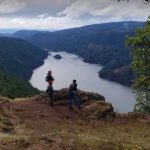
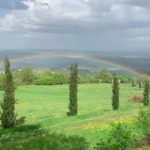
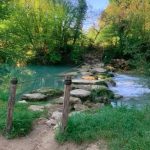
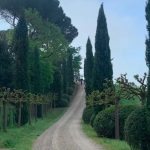
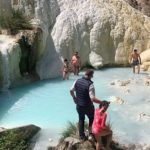
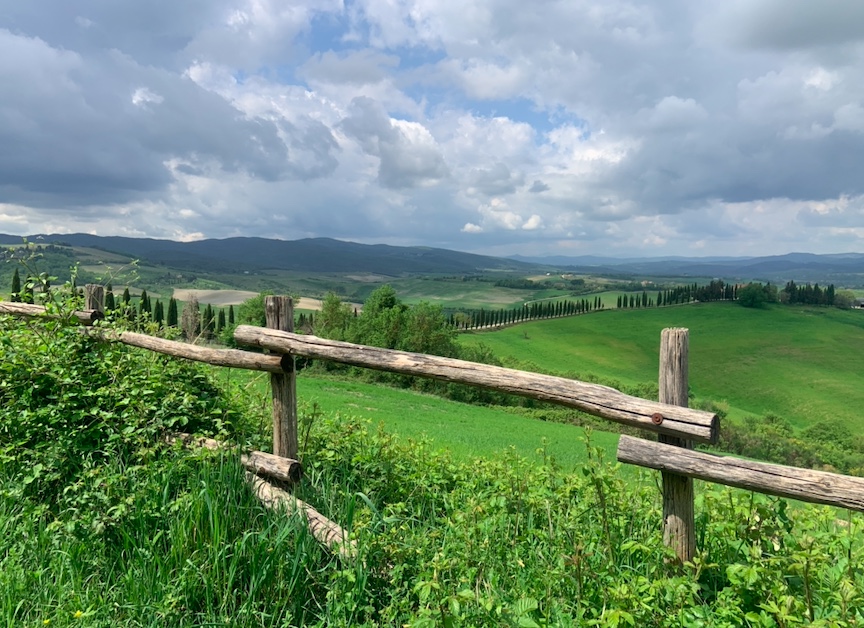 Lucca is in the heart of Tuscany, home to some of the best food and wine in the world. The trail meanders its way through gorgeous hills, vineyards and farmland.
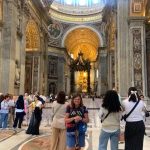
You will encounter so many amazing Cathedrals, every one of them worth a visit. But you will also find ancient structures, small local churches and archeological sites to explore.
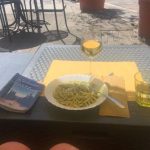
 Before I left I read that in Tuscany you can barely take a step without tripping over a wood fired pizza oven. That’s almost true. You will eat so much pizza that you may never be able to enjoy the Canadian variety again. In Italy pasta is only your first course, like we eat salad over here. A girlfriend of mine, after looking at my food photos, asked me if I were going vegetarian on this trip. Meat is served less frequently and in smaller portions than we are used to in Canada. You won’t miss it. I hadn’t even noticed until she mentioned it.
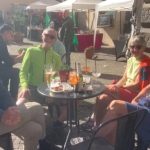
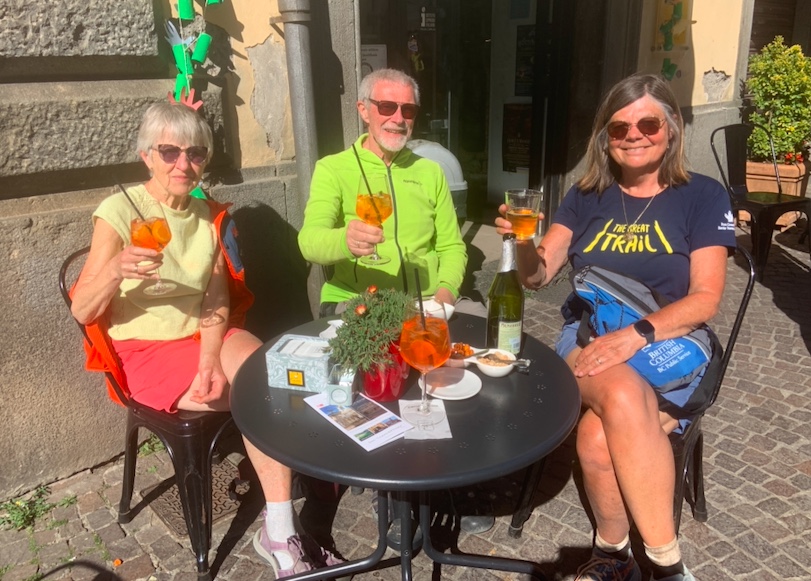
The wine is great but on a hot afternoon, in the company of new pilgrim friends order an aperol spritzer (or two). This is one cocktail habit I’ve brought home with me.
The Spiritual Way
Yes, this is a Catholic pilgrimage but don’t let that stop you from enjoying the spiritual energy along the way.
Just the act of walking long distances is spiritual. Walk alone and everything is accentuated. Open up your heart and clear your mind. You will be amazed what fills the spot once you make room for it.
Standing atop of a mountain surrounded by God’s beauty, with your brain flooded with dopamine and seratonin – you just might find something you didn’t even know you were looking for.